
Table of Contents
Introduction
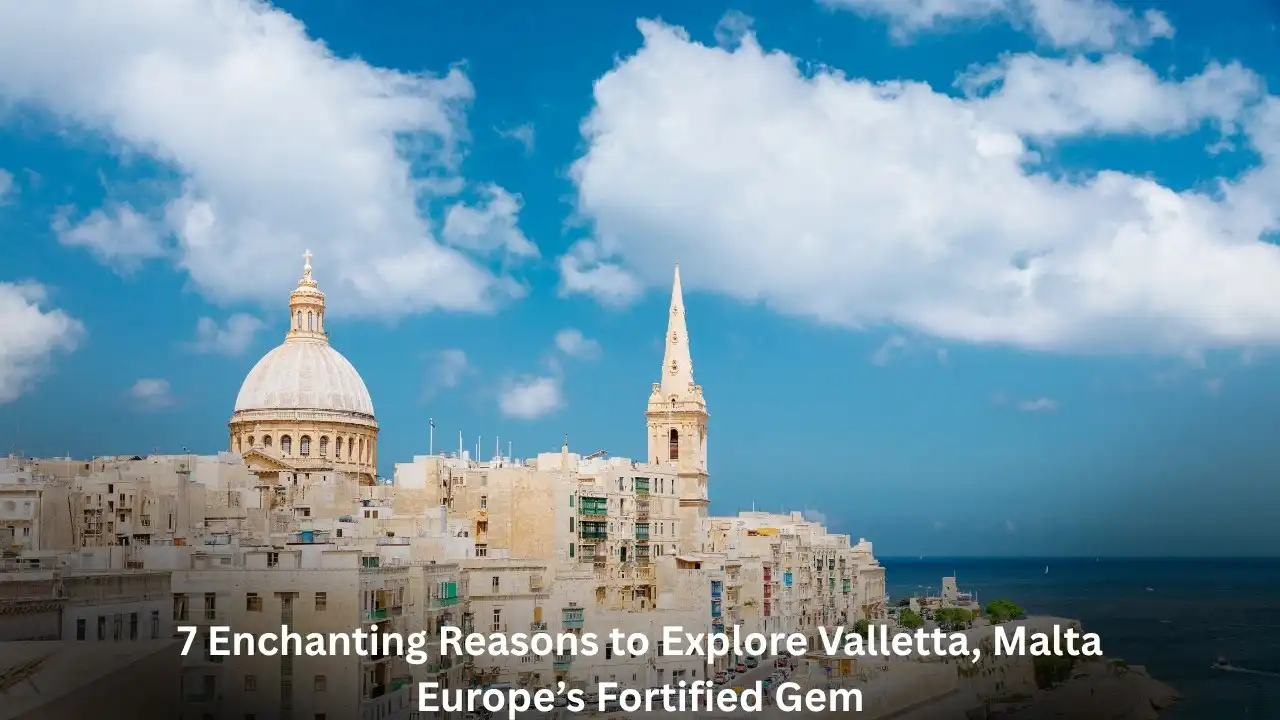
Valletta, Malta stands like a golden fortress by the sea, a sublime blend of history, culture, and Mediterranean charm. Built by the Knights of St. John in the 16th century as a stronghold against the Ottomans, Valletta, Malta today feels like an open-air museum packed with baroque churches, grand palazzi, narrow alleys, sea views, and hidden corners waiting to be discovered. For travelers seeking compact brilliance, architectural wonder, and living heritage, this capital is a dream.
Why Valletta, Malta Captivates Travelers
Though small in size, Valletta, Malta is mighty in character. The UNESCO-protected capital boasts over 320 monuments within just 0.55 km², making it one of the densest heritage cities in the world. Wikipedia+2UNESCO World Heritage Centre+2
Walking through its grid of streets, you see honeyed limestone facades, grand churches, fortified bastions, colored balconies (gallarija), stairways, and intimate cafés. The capital’s location, perched between two harbors, gives it commanding views. World Travel Guide+2Celebrity Cruises+2
Valletta is not frozen in time; it’s vibrant. Art galleries, theatrical performances, cafés, festivals, and cultural events bring energy alongside its history. National Geographic+2Kuoni+2
Top 7 Enchanting Highlights in Valletta, Malta
Here are seven incredible experiences that capture the essence of Valletta, Malta—from grand landmarks to hidden gems.
1. St. John’s Co-Cathedral & Masterpiece Interiors
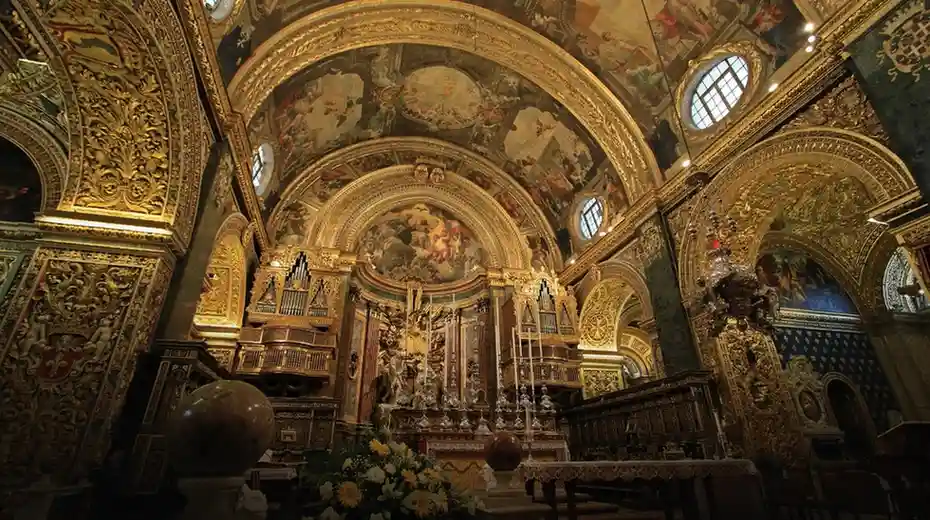
One of the most dazzling treasures of Valletta, Malta is St. John’s Co-Cathedral. Externally modest, the interior overflows with ornate marble, gilding, and baroque detail. The cathedral houses Caravaggio’s masterpiece The Beheading of St. John the Baptist. Celebrity Cruises+2National Geographic+2
The chapels, tombs of Knights, polychrome floors, and intricate woodwork are a feast for art lovers. Be sure to book tickets in advance to skip lines and fully linger in its opulence.
2. Upper Barrakka Gardens & Saluting Battery Views
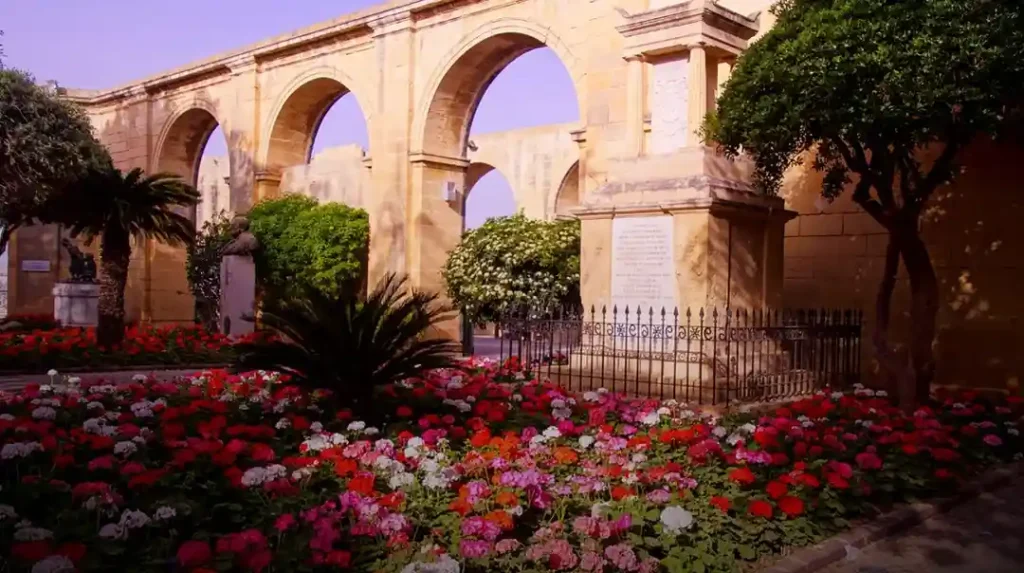
For sweeping harbor views, the Upper Barrakka Gardens are a must in Valletta, Malta. From here you see the Grand Harbour, the “Three Cities” on the opposite side, and the harbor traffic below. Celebrity Cruises+2National Geographic+2
At noon (and at 4 p.m.), a cannon is fired from the Saluting Battery, adding a historical touch to the panorama. Celebrity Cruises+1
You can descend via the historic Barrakka Lift or stairs to the waterfront for further exploration. alwayspacktissues.com+2National Geographic+2
3. Grandmaster’s Palace & State Rooms
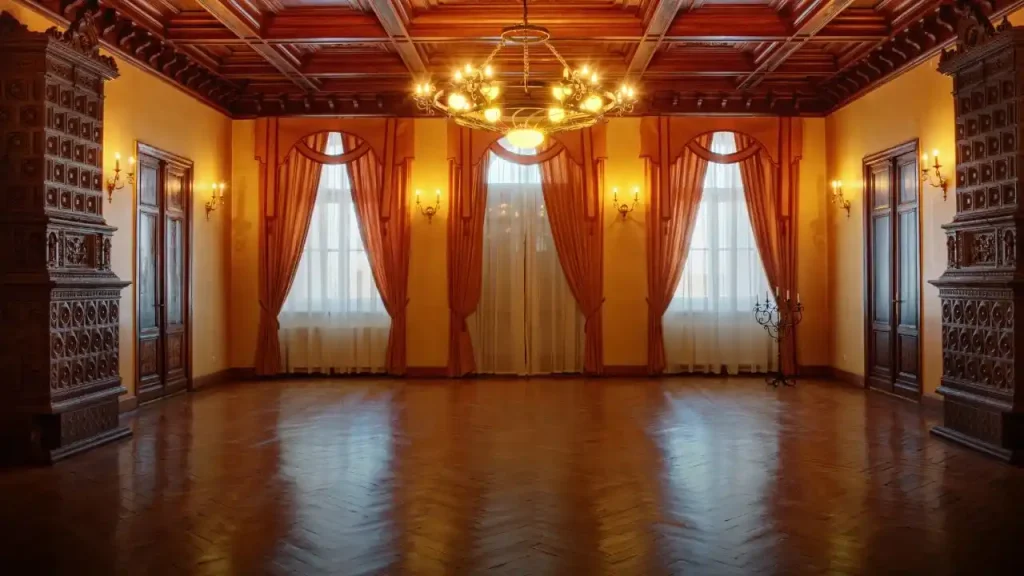
The Grandmaster’s Palace, once the residence of the Knights of St. John, offers a glimpse into power, ceremony, and pageantry. In Valletta, Malta, you can explore its courtyards, ornate chambers, tapestries, and armory. Celebrity Cruises+2Kerdowney+2
The State Rooms and the Palace’s architecture combine militaristic and elegant design, reflecting centuries of rule and change. Guided tours reveal the stories behind the walls.
4. National Museum of Archaeology & Heritage Walk
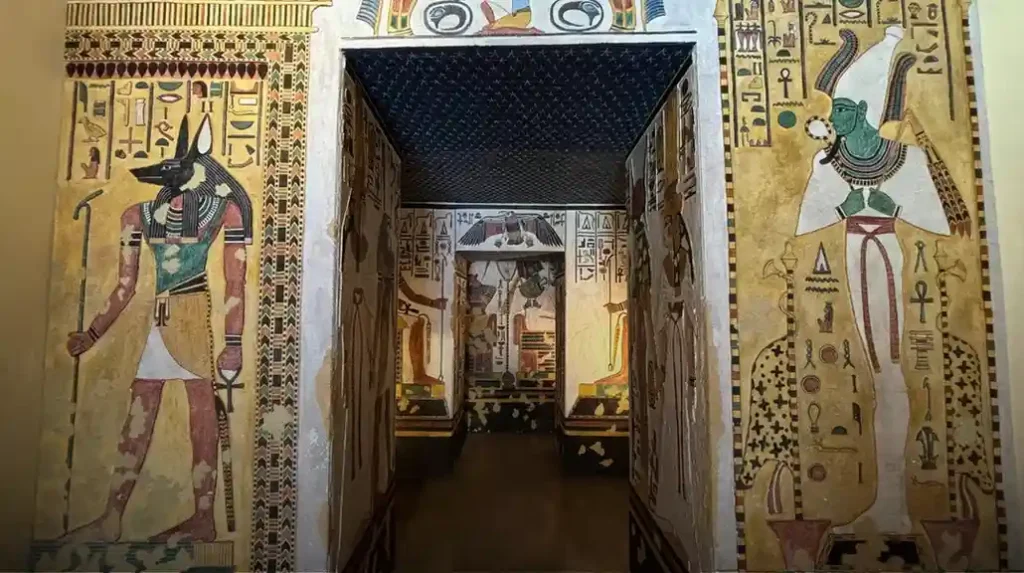
To understand Malta’s deeper past, visit the National Museum of Archaeology in Valletta, Malta. You’ll see prehistoric artifacts, megalithic finds, Phoenician relics, and more—tracing Maltese history well before the Knights. National Geographic+2Great Value Vacations+2
Walking tours across the city often include fortress bastions, historic gates, and architectural monuments. These tours help you connect the ruins, urban plan, and evolving culture of Valletta. packthesuitcases.com+2Great Value Vacations+2
5. Casa Rocca Piccola & Hidden Noble Heritage
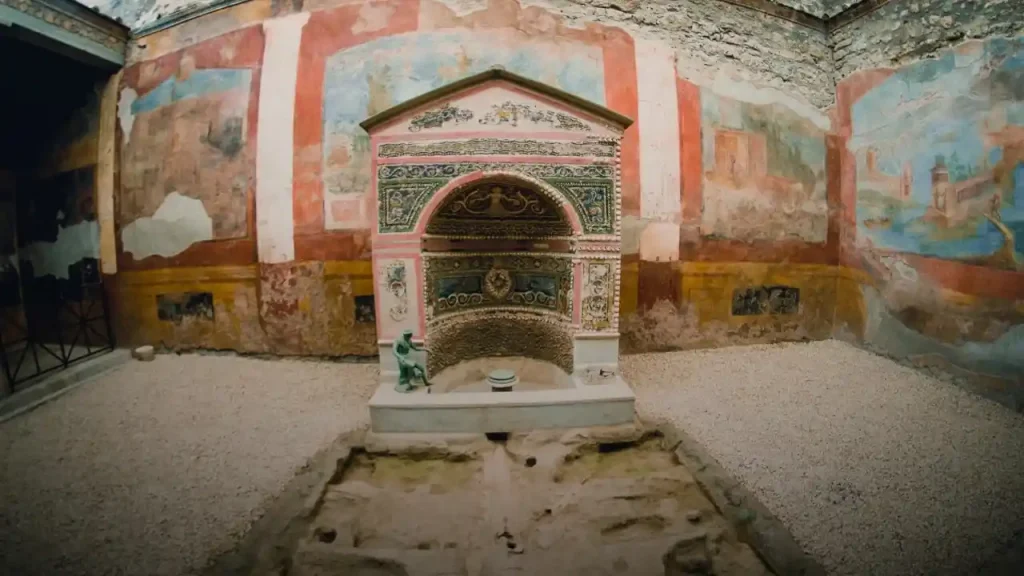
A less-known yet captivating stop is Casa Rocca Piccola—a 16th-century aristocratic house in Valletta, Malta. Still a family residence, its guided tours reveal rooms rich in antique decor, portraits, secret passages, and gardens. Wikipedia
This intimate experience offers contrast to grand palaces and gives insight into how Maltese nobility lived among the ramparts and streets of Valletta.
6. Hastings Gardens & Panoramic Escapes
On the western edge of Valletta, Malta, Hastings Gardens sits atop St. John’s Bastion. The lush terraces offer quiet sitting areas, sculptural monuments, and views over Sliema, Manoel Island, and beyond. Wikipedia
For a contemplative moment away from the main drag, these gardens combine greenery, perspective, and serenity.
7. Walk the Ramparts, Forts & Harbor Walks
Because Valletta, Malta is a fortified city, walking along its bastions and city walls is essential. From along the harbor, you gain views of Lascaris, Fort St. Elmo, and defensive structures. World Travel Guide+3GetYourGuide+3World Heritage Travel+3
Don’t miss Fort St. Elmo and its War Museum, telling stories of the Great Siege and WWII Maltese resilience. alwayspacktissues.com+2https://www.cruiseandtravel.co.uk+2
Walking waterfront promenades toward the Three Cities (Vittoriosa, Senglea, Cospicua) by ferry or water taxi gives you contrast—less crowded, historic, and full of local character. https://www.cruiseandtravel.co.uk+4packthesuitcases.com+4Great Value Vacations+4
Best Time to Visit Valletta, Malta & Travel Tips
To maximize your visit to Valletta, Malta, timing and logistics matter.
- Best Season: Spring (April–June) and early autumn (September–October) offer milder weather, fewer crowds, and comfortable days for walking.
- Summer (July–August): Hot, busy, and sunny—great for Mediterranean vibes but expect heat and crowds.
- Winter (November–March): Cooler and off-season, but fewer tourists and lower rates; some attractions or ferry services may have limited hours.
Visitor Tips:
- Wear good walking shoes—Valletta is compact but has steps, slopes, and cobblestones.
- Book skip-the-line tickets, especially for St. John’s Cathedral, Palace, and museums.
- Take walking tours (free or paid) to orient yourself.
- Use water taxis between Valletta and Sliema or Three Cities.
- Stay central to reduce walking load and get early access to top sights.
- Respect local customs—especially in religious sites (modest dress).
How Valletta, Malta Leaves a Lasting Impression
What lingers after a trip to Valletta, Malta isn’t just architecture, but atmosphere: sunlight on limestone, church bells echoing in narrow alleys, the hum of café conversations, the dance of boats in the harbor, a midday cannon salute, the contrast of rooftops and sea.
In such a small city, every corner reveals beauty: a painted balcony, a carved door, a hidden niche, a sunset behind bastions, or a quiet garden by the wall. It feels intimate, layered, alive. Many travelers say that after they leave, Valletta doesn’t fade—it follows them in images and memories that feel architectural, historical, and deeply human.
Sample Itinerary & Stay Suggestions for Valletta, Malta
Sample 3-day plan:
- Day 1: Arrive, stroll Republic Street, visit St. John’s Cathedral, Upper Barrakka, and Palace.
- Day 2: Explore museums, ramparts, Fort St. Elmo, walk to Three Cities via ferry in afternoon.
- Day 3: Relax in gardens (Hastings), visit Casa Rocca Piccola, enjoy local food, rooftop views, departure.
Where to Stay:
Focus on the core within the city walls. Charming boutique hotels, historic palaces converted to lodging, and guesthouses with sea/marina views are ideal. Staying in Valletta means you can walk to most of your itinerary, which helps with timing and immersion.
FAQ
How many days do I need in Valletta, Malta to see its highlights?
To explore Valletta, Malta comfortably, plan for 2 to 3 days. That allows time to visit St. John’s Cathedral, Grandmaster’s Palace, Fort Elmo, museums, garden views, ramparts, and maybe a ferry trip to the Three Cities.
When is the best time to travel to Valletta, Malta?
The best time to visit Valletta, Malta is in spring (April–June) or early autumn (September–October)—when the weather is pleasant, crowds are smaller, and walking is enjoyable. Summer is hot and busy; winter is cooler but more tranquil.
Can you walk all of Valletta, Malta easily? Are there steep parts?
Yes, Valletta, Malta is walkable and compact, but it has steep slopes, stairs, and uneven cobbles. If you have mobility challenges, stay in the lower part of the city, use the Barrakka Lift where possible, and allow extra time for routes with inclines.
if you find more European Vignettes https://nalyxo.com/category/european-vignettes/